
Modern websites in 2026 are no longer just static pages with basic animations and contact forms. Businesses today are investing in immersive digital experiences powered by advanced frontend frameworks, AI integrations, motion design libraries, and cloud-native infrastructure.
From visually stunning GSAP animations and Framer-powered landing pages to scalable React applications and AI-driven user experiences, website development has evolved into a combination of design, performance, and intelligent interactions.
Whether you are building a startup MVP, SaaS platform, eCommerce store, or premium business website, choosing the right technologies directly impacts user engagement, SEO performance, and conversion rates.
In this guide, we’ll explore the top technologies dominating website development in 2026 and why modern businesses are adopting them rapidly.
1. React.js & Next.js – The Backbone of Modern Websites
React.js continues to dominate frontend development because of its flexibility, speed, and scalability. Combined with Next.js, developers can create blazing-fast websites with server-side rendering (SSR), excellent SEO performance, and seamless user experiences.
Modern startups, SaaS companies, and enterprise businesses prefer React-based architectures because they support:
- Fast loading speed
- Dynamic interfaces
- Better scalability
- Smooth animations
- Component-based development
Next.js is especially popular for SEO-friendly websites because it improves Core Web Vitals and page indexing performance.
2. GSAP – Advanced Web Animations & Motion Design

In 2026, websites are becoming more cinematic and interactive.
GSAP (GreenSock Animation Platform) has become one of the most powerful tools for creating:
- Scroll-triggered animations
- Smooth transitions
- Interactive storytelling websites
- Advanced UI motion effects
- Premium landing page experiences
Brands are increasingly using GSAP to create immersive experiences similar to Apple-style product pages and high-end creative agency websites.
These animations not only improve visual appeal but also increase user engagement and retention when implemented correctly.
3. Framer & Webflow – No-Code Meets Premium Design
Framer and Webflow have transformed how modern landing pages and business websites are created.
These platforms allow businesses to launch visually stunning websites with:
- Responsive layouts
- Interactive animations
- CMS integration
- Fast deployment
- SEO optimization
Framer is especially popular among startups and creators for highly animated websites, while Webflow is widely used for scalable marketing websites and business platforms.
However, advanced custom functionality often still requires experienced developers for API integration, optimization, and custom coding.
4. AI Integration & Smart Automation

Artificial Intelligence is now deeply integrated into modern websites.
Businesses are adding:
- AI chatbots
- AI search systems
- Smart recommendation engines
- Automated workflows
- Personalized user experiences
AI-powered websites help improve customer engagement, reduce support workload, and automate repetitive tasks.
From AI customer support to lead qualification systems, automation is becoming a major competitive advantage.
5. Headless CMS Architecture
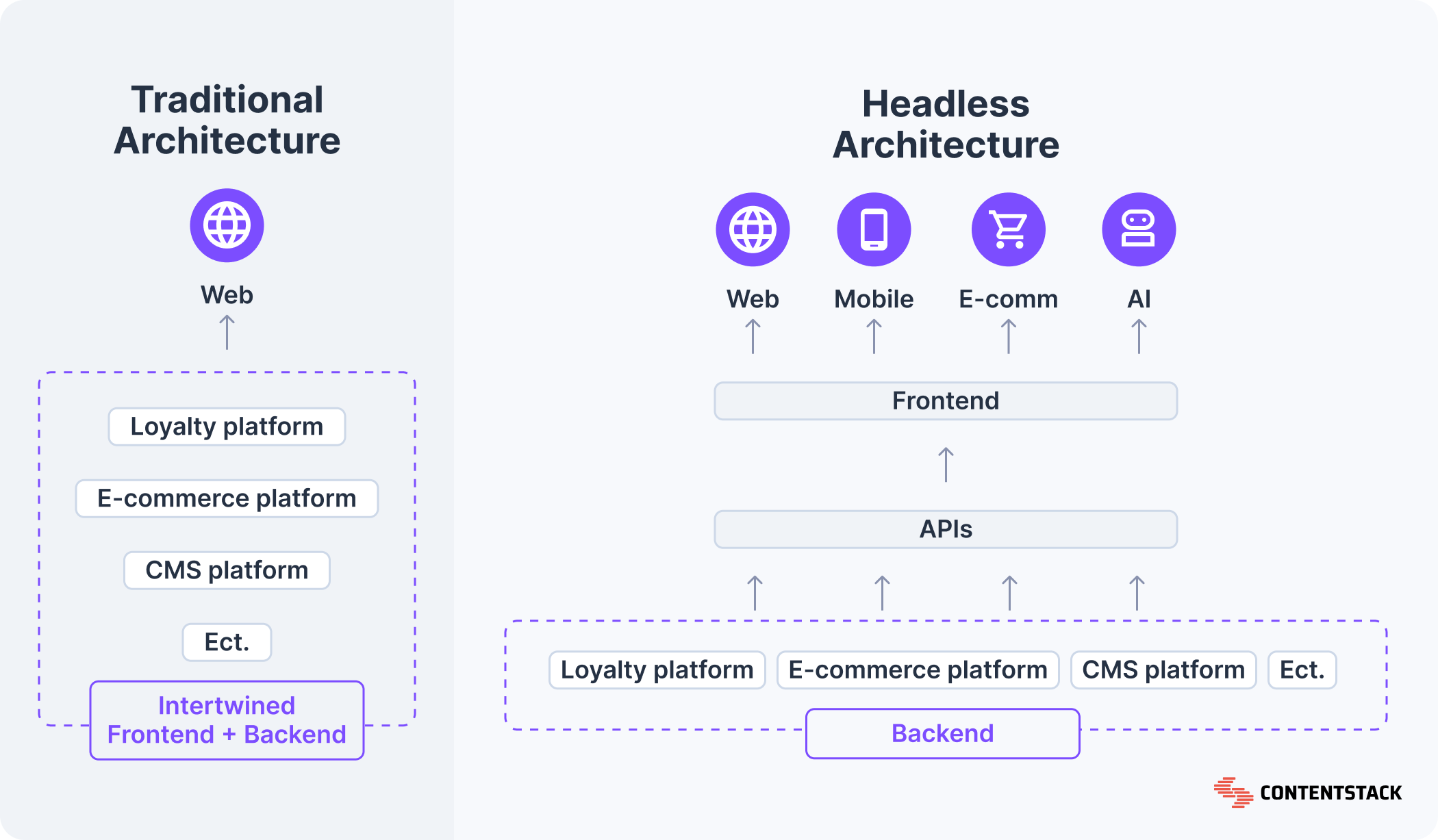
Traditional CMS platforms are slowly evolving toward headless architecture.
Modern businesses are using:
- Strapi
- Sanity
- Contentful
- Headless WordPress
These systems separate the frontend from the backend, allowing developers to create ultra-fast websites while maintaining flexible content management.
Benefits include:
- Better performance
- Improved scalability
- Omnichannel content delivery
- Faster frontend rendering
6. JAMstack Architecture – Faster & More Secure Websites
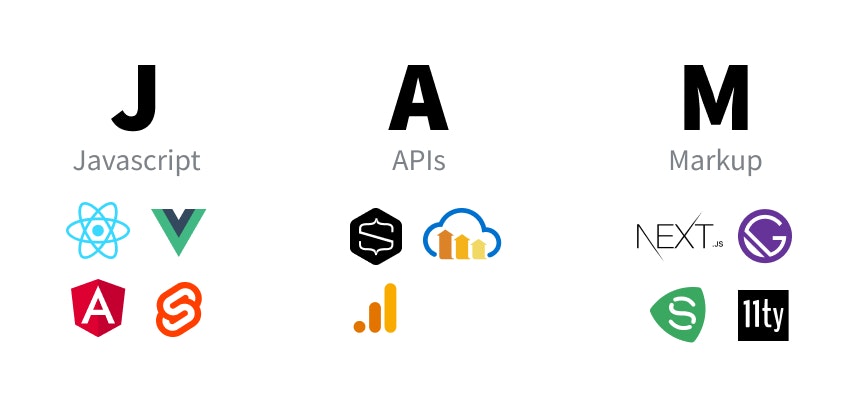
JAMstack (JavaScript, APIs, and Markup) has become one of the most preferred modern web development architectures in 2026 for building ultra-fast, secure, and scalable websites.
Unlike traditional websites that rely heavily on server-side rendering for every request, JAMstack websites generate pages efficiently and deliver content through CDNs, resulting in significantly better performance and user experience.
Modern JAMstack websites are commonly built using:
- Next.js
- Gatsby
- Astro
- Nuxt.js
Combined with headless CMS platforms and cloud infrastructure, JAMstack helps businesses create websites that are:
- Extremely fast loading
- SEO optimized
- Highly secure
- Scalable for high traffic
- Easier to maintain
This architecture is widely used for:
- Startup websites
- SaaS platforms
- Corporate websites
- High-performance landing pages
- Content-heavy platforms
Businesses are increasingly adopting JAMstack because website speed and Core Web Vitals now play a major role in SEO rankings and conversions.
7. Cloud-Native Infrastructure & Scalable Hosting
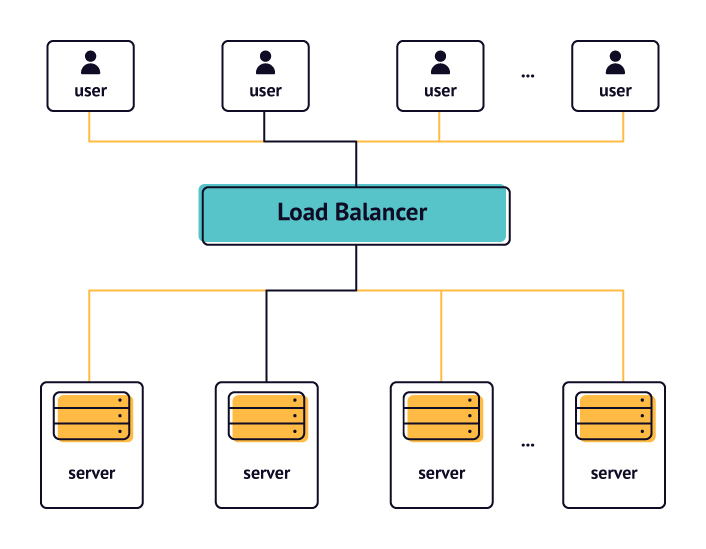
Scalable hosting is essential for modern applications and traffic-heavy websites.
Popular cloud platforms in 2026 include:
- AWS
- Google Cloud Platform (GCP)
- Microsoft Azure
- DigitalOcean
- Cloudflare ecosystem
Modern deployment pipelines now include:
- Docker containers
- CI/CD automation
- CDN optimization
- Edge caching
These technologies improve:
- Website speed
- Security
- Reliability
- Scalability
8. Progressive Web Apps (PWA)
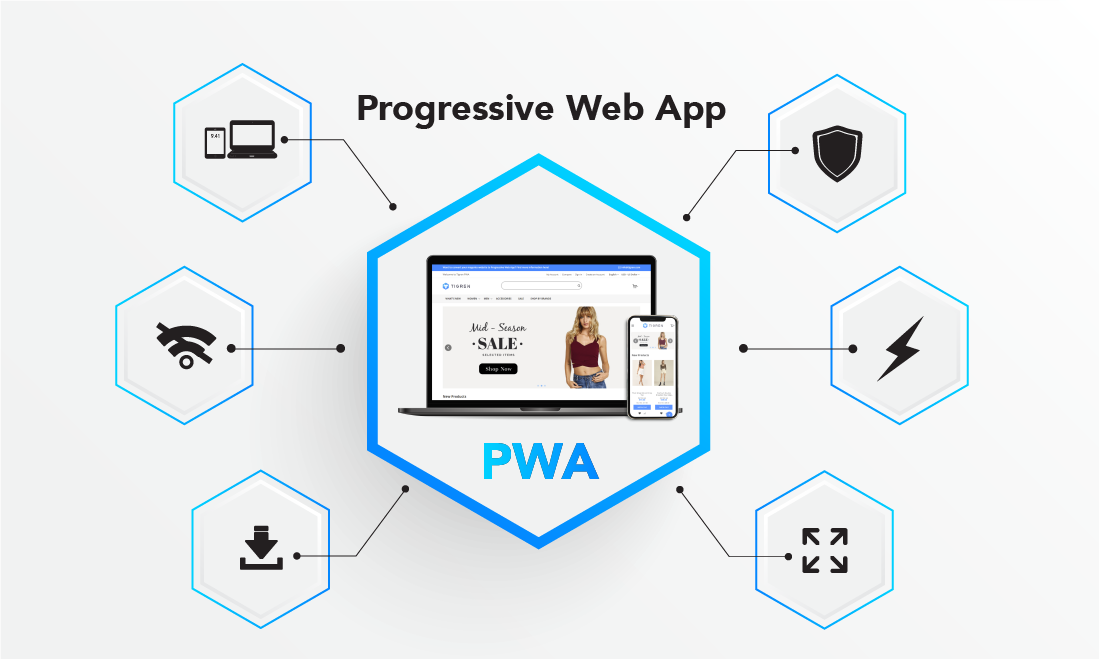
Progressive Web Apps combine the best features of websites and mobile apps.
PWAs offer:
- Offline functionality
- Push notifications
- App-like experience
- Faster performance
Many businesses are now using PWAs instead of building separate apps initially because they are cost-effective and highly performant.
9. Security & Performance Optimization
With increasing cyber threats and stricter privacy expectations, security is now a core part of development.
Modern websites implement:
- SSL encryption
- Advanced firewall systems
- Secure authentication
- CDN protection
- Database security layers
Performance optimization techniques like lazy loading, image optimization, and code splitting are also critical for SEO and user experience.
Why Choosing the Right Technology Matters
The technology stack behind your website directly affects:
- User experience
- Search engine rankings
- Website speed
- Lead generation
- Scalability
- Conversion rates
A poorly built website can slow down business growth, while a modern optimized platform can significantly improve engagement and revenue.
Looking for Website Developers in India?
At Vanijya Technology, we specialize in building modern, high-performance websites using the latest technologies including React.js, Next.js, GSAP animations, Framer, Webflow, Laravel, Node.js, AI automation, and cloud-based infrastructure.
Whether you need:
- A premium business website
- A startup MVP
- A high-converting landing page
- A custom web application
- An eCommerce platform
- AI-integrated solutions
Our team helps businesses create scalable digital experiences that combine modern UI/UX, performance optimization, and conversion-focused development.
Conclusion
Website development in 2026 is focused on speed, interactivity, AI integration, and immersive user experiences. Businesses that adopt modern technologies gain a significant advantage in branding, SEO, and customer engagement.
From GSAP-powered animations and Framer websites to scalable React applications and AI automation, the future of web development is smarter, faster, and more experience-driven than ever before.
If you’re planning to build a modern website that stands out in today’s competitive market, investing in the right technology stack is the key to long-term success.