

Google has officially released the first beta of Android 17, giving developers and early adopters a preview of what’s coming in the next generation of Android. The update focuses heavily on performance, large-screen optimization, privacy, and smarter device experiences, rather than dramatic visual changes.
With Android 17, Google appears to be refining the platform to support the future of mobile — including foldables, tablets, and AI-powered experiences.
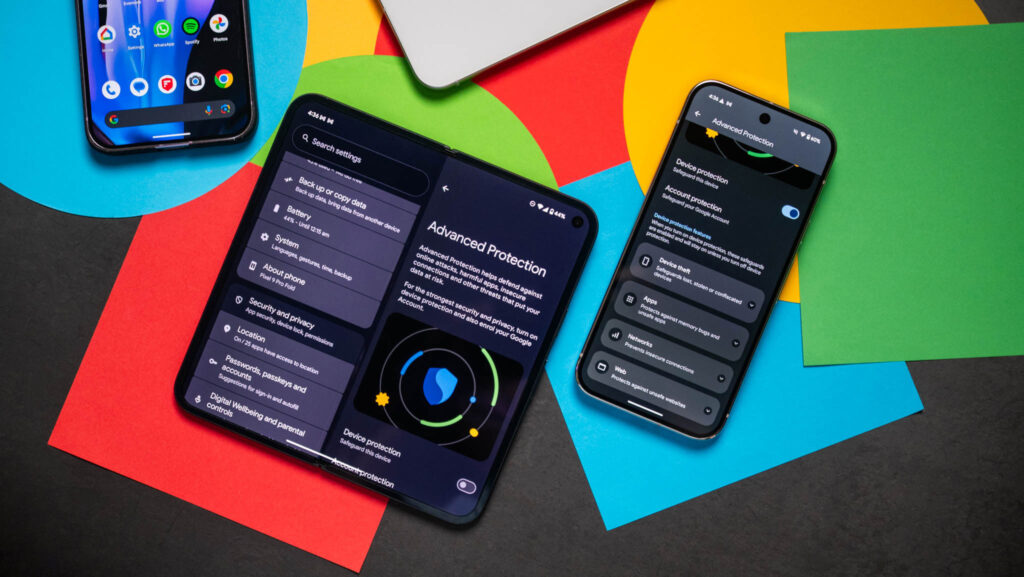
Android 17 Beta Release Timeline
The first beta rolled out in February 2026 for supported Google Pixel devices, marking the beginning of the public testing phase. The stable version is expected to arrive around mid-2026 if Google follows its typical release cycle.
Unlike previous years, Google used a new Canary-first development strategy, skipping the traditional developer preview stage to deliver features earlier and improve stability before public release.
Key Features in Android 17 Beta
1. Better Support for Foldables and Large Screens
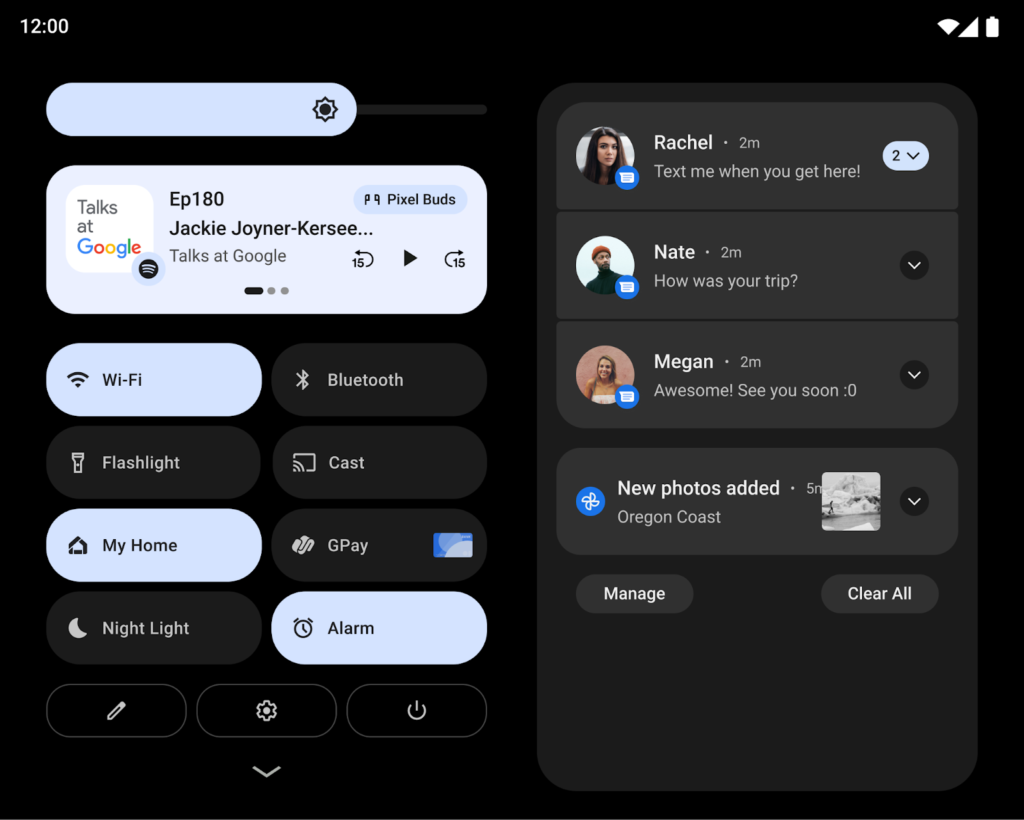
One of the biggest priorities in Android 17 is improving the experience on tablets and foldable devices.
Apps targeting Android 17 will no longer be allowed to lock orientation or restrict resizing on larger displays, pushing developers to create truly adaptive layouts.
This move signals Google’s long-term ambition to compete with laptops and productivity devices powered by Android.
2. Performance and System Improvements
Google has introduced multiple under-the-hood enhancements to make Android smoother and more responsive:
-
Improvements to Android Runtime (ART)
-
Better memory management
-
Optimized system message queue
-
Reduced UI lag and improved efficiency
These changes should result in faster everyday performance across devices.
3. Camera and Media Enhancements
Android 17 improves the camera experience by enabling smoother switching between photo and video modes without restarting the camera session.
This reduces lag and creates a more seamless capture experience in supported apps.
4. Privacy and Security Upgrades
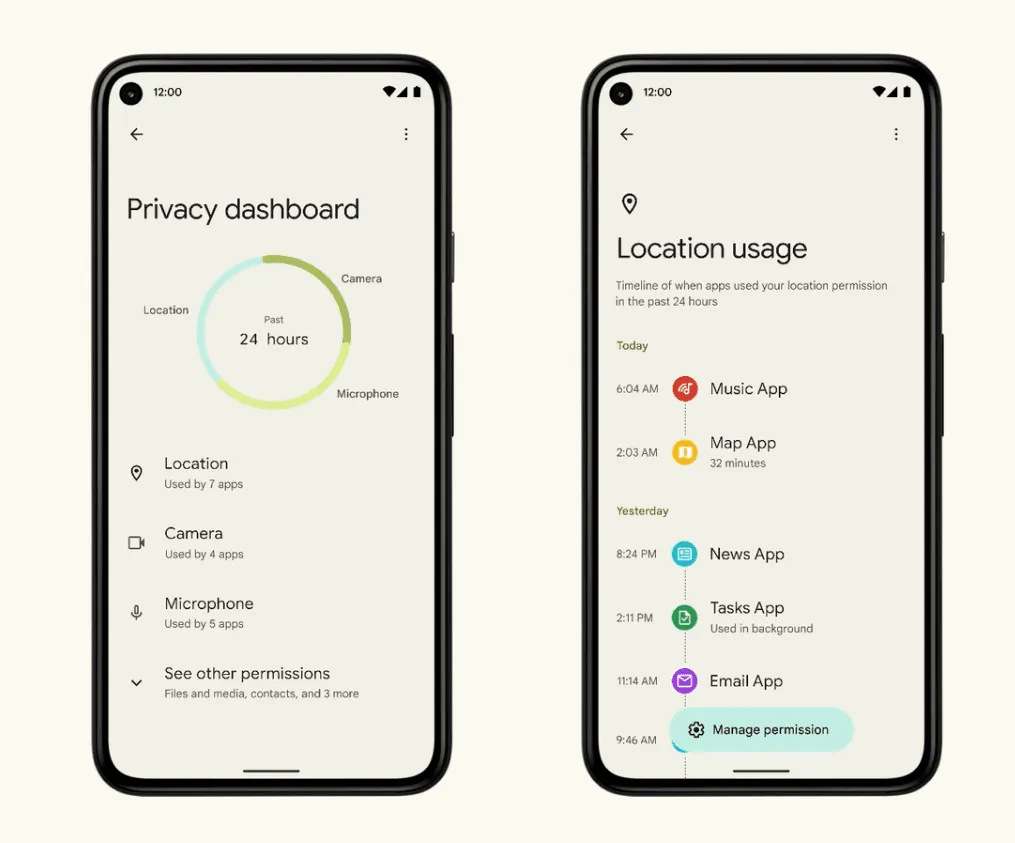
Privacy continues to be a core focus for Google.
Android 17 introduces:
-
Improved permission handling
-
Better VoIP call history controls
-
Enhanced connectivity privacy features
-
Stronger restrictions on system resources
The platform aims to deliver more control to users while improving overall security.
5. Subtle UI Refinements
The beta includes small visual changes rather than a major redesign.
For example:
-
Updated Pixel launcher search bar design
-
Cleaner interface integration with wallpapers
-
Minor quick settings tweaks
These refinements align with Google’s strategy of polishing the experience instead of rebuilding it from scratch.
6. Connectivity and Companion Device Improvements
Android 17 adds new tools for optimizing connectivity and expanding device ecosystem support, including companion device profiles and smarter Wi-Fi detection features.
This will benefit wearables, smart home devices, and cross-device experiences.
AI and the Future of Android
During recent industry events, Google hinted that Android 17 will include “amazing things” powered by its AI ecosystem, especially Gemini-based intelligence integrated into the platform.
This suggests Android is moving toward a more proactive and intelligent operating system capable of automating tasks and improving personalization.
Supported Devices for Android 17 Beta
Currently, Android 17 Beta is available mainly on Google Pixel devices, including:
-
Pixel 6 and newer models
-
Pixel Tablet
-
Pixel 10 series
Some other manufacturers are beginning beta programs as well, but availability varies by region and device.
Should You Install Android 17 Beta?
You should consider installing the beta only if:
- You are a developer
- You have a secondary device
- You want early access to features
Avoid installing it on your primary phone because beta software may contain bugs and stability issues.
Final Thoughts: Is Android 17 a Major Upgrade?
Android 17 may not look revolutionary at first glance, but it represents an important shift.
Google is focusing on:
-
Performance and stability
-
Large-screen future
-
Privacy improvements
-
AI integration
-
Ecosystem connectivity
Instead of flashy features, Android 17 aims to create a stronger foundation for the next generation of mobile computing.